
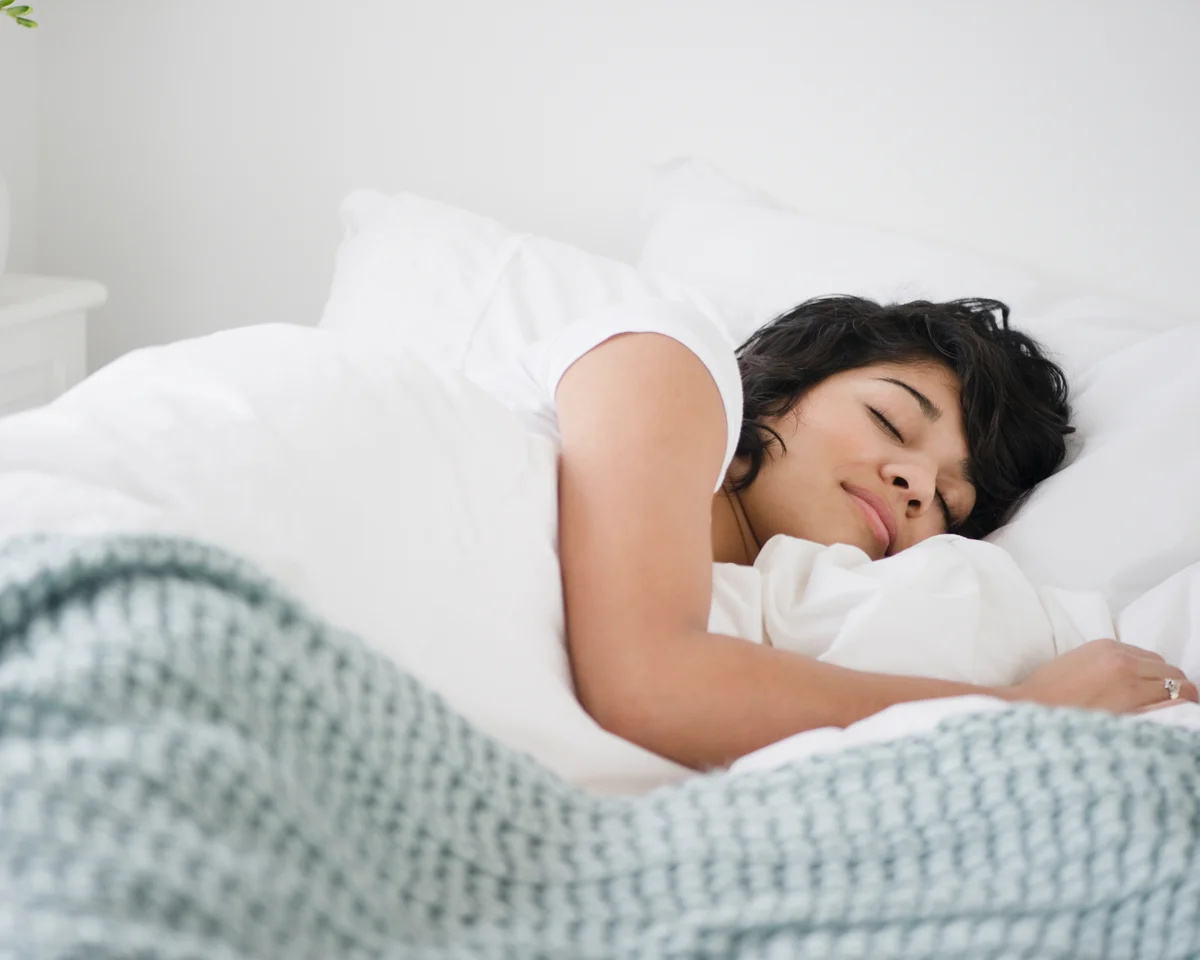



Sleep. We all need it, yet so many of us treat it like an optional extra. But in 2026, understanding sleep isn’t just about feeling rested—it’s about optimizing your health, mood, and even brain power. Science has come a long way, and we’re finally learning how to sleep smarter, not just longer.
Understanding Sleep Cycles
Sleep isn’t just one long, boring stretch. Your body moves through cycles of light sleep, deep sleep, and REM (rapid eye movement) sleep. Each stage has a job: deep sleep repairs your body, while REM boosts memory and creativity. Missing out on any stage can leave you feeling groggy, no matter how many hours you clock in.
The Role of Technology
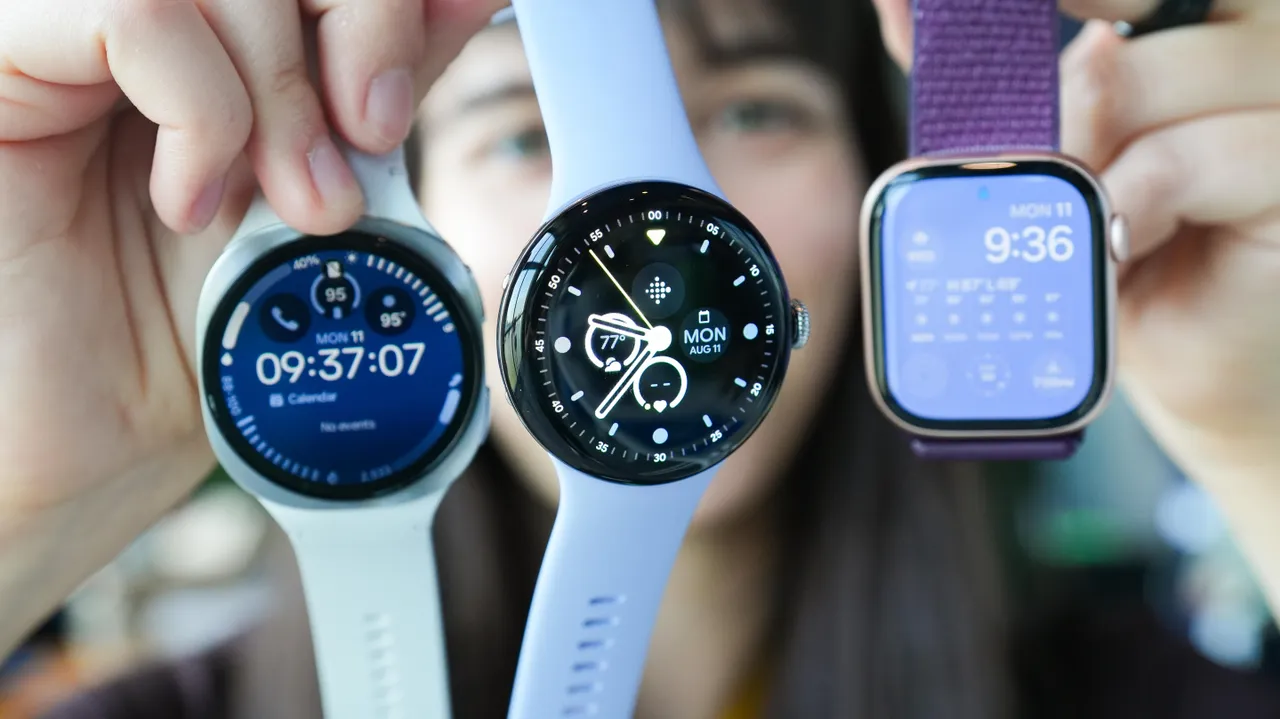
Yes, tech gets a bad rap for keeping us up at night. But in 2026, it’s also helping us sleep better. Wearables and smart beds track your sleep patterns, nudging you to adjust your routine. Some devices even simulate sunrise or play subtle sounds to help you drift off naturally. It’s like having a personal sleep coach on your wrist.
Timing Is Everything
Your body loves a schedule. Going to bed and waking up at roughly the same time every day keeps your circadian rhythm in check. Irregular sleep confuses your body’s internal clock, making mornings harder and nights restless. Even on weekends, try not to stray too far from your routine—it really does make a difference.
Environment Matters
A cool, dark, and quiet bedroom is still the golden rule. But 2026 adds a twist: smart climate control and light-adjusting lamps can create the perfect sleep cocoon. Even small tweaks, like blackout curtains or a white-noise machine, can help your body settle into deep, restorative sleep.
Food, Drink, and Sleep
What you eat affects how you sleep. Heavy meals right before bed can keep your system buzzing. Caffeine and sugar late in the day? Forget it. On the flip side, foods rich in magnesium or tryptophan—like nuts, bananas, or oatmeal—can actually help you wind down naturally.
Mind Matters
Stress and racing thoughts are sleep’s worst enemies. Practices like journaling, meditation, or even simple breathing exercises can calm your mind. In 2026, there’s also a growing focus on digital detox before bed—stepping away from screens at least 30–60 minutes before sleep can make a huge difference.
The Takeaway
Better sleep isn’t a one-size-fits-all formula. It’s a mix of timing, environment, diet, and mindset. But with science helping us understand what works, it’s never been easier to improve your nights—and by extension, your days. So tonight, turn off the lights, silence the notifications, and give yourself the gift of truly restorative sleep. Your body—and brain—will thank you.





Leave a Reply