




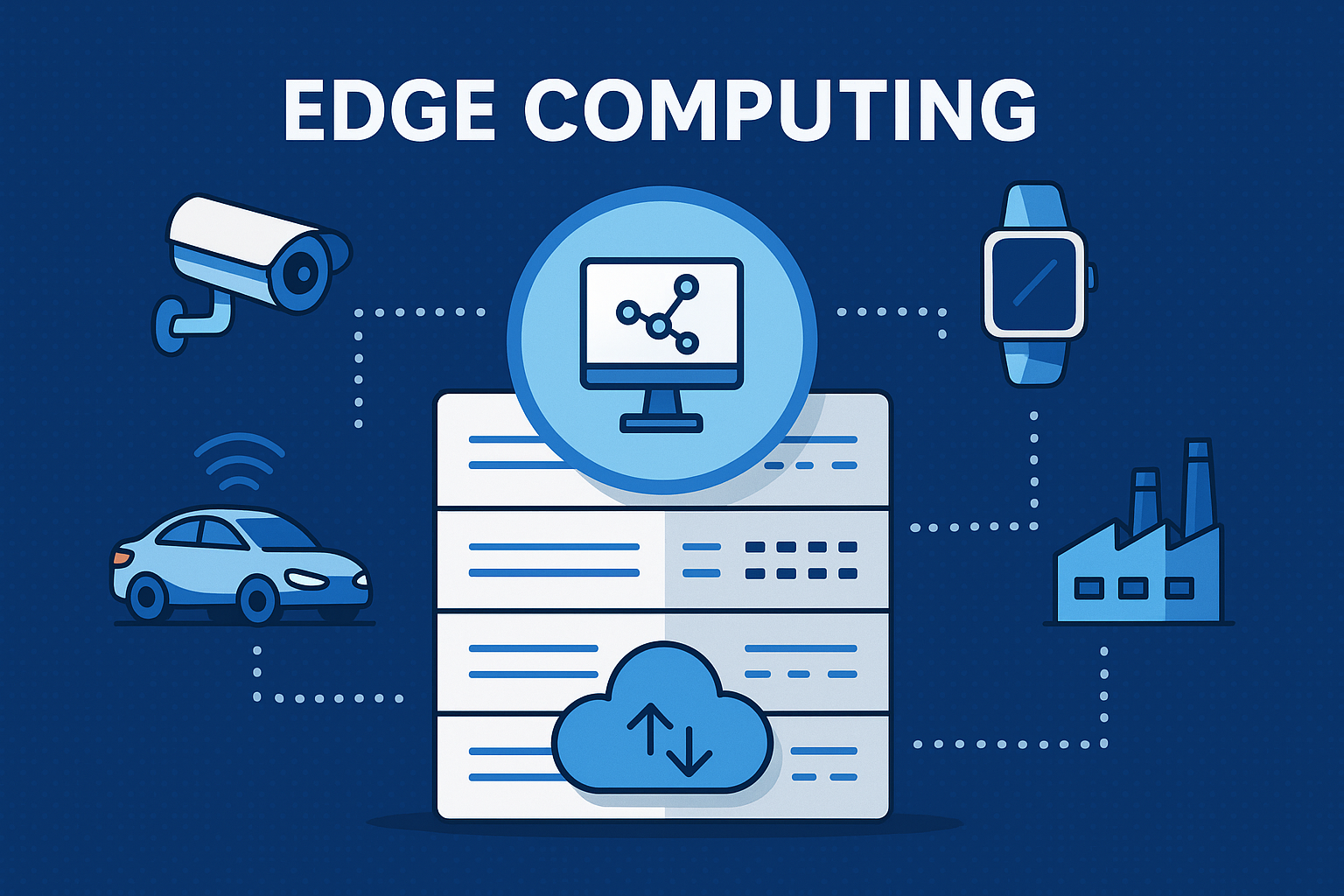
If you’ve ever felt frustrated by slow apps, buffering videos, or laggy online games, you’ve experienced the limits of traditional computing. That’s where edge computing comes in—a modern approach designed to make digital experiences faster and smarter. But what exactly is it? In simple terms, edge computing means processing data closer to where it’s created instead of sending everything to a faraway cloud server. Imagine your data taking a shortcut instead of a long road trip—it reaches its destination much faster.
How Edge Computing Works
Think of it like this: your smartphone, smart thermostat, or even a self-driving car generates tons of data every second. Traditionally, all that data would travel to a central server, get processed, and then return the results. That’s slow, especially if milliseconds matter. With edge computing, small servers or devices near you handle some of that processing on the “edge” of the network. This means quicker decisions, smoother streaming, and less strain on the main cloud. In short, it brings computing power closer to where it’s needed.
Why It Matters Today
Edge computing isn’t just a tech buzzword—it solves real problems. For businesses, it can reduce latency, improve security, and lower bandwidth costs. For consumers, it means your favorite apps load faster, your smart devices respond instantly, and even new technologies like AR (augmented reality) or autonomous vehicles work more reliably. As more gadgets get connected in our everyday lives, edge computing ensures they can communicate and act without long delays.
Real-Life Examples
You might not realize it, but edge computing is already around you. Smart traffic lights that adjust in real-time, fitness trackers analyzing your workouts on the device, or video games predicting your next move—all use edge computing. In industries like healthcare, hospitals can process patient data instantly for critical decisions. And in factories, machines can self-monitor and fix issues immediately. The possibilities are vast, and it’s only going to grow as more devices “think” locally instead of always relying on the cloud.
The Future of Edge Computing
The exciting part? We’re just scratching the surface. With technologies like 5G and AI expanding, edge computing will become even more critical. Expect smarter cities, safer autonomous cars, and more responsive devices. For beginners, the takeaway is simple: edge computing is all about speed, efficiency, and smarter tech close to home. As devices get more powerful, our digital experiences will feel faster, smoother, and more intuitive than ever.
Edge computing might sound technical at first, but at its heart, it’s about making technology faster and more responsive where it matters most—right at the edge. Whether you’re a tech enthusiast or just someone who wants better app performance, understanding this concept helps you see how the future of computing is being reshaped.




Leave a Reply