




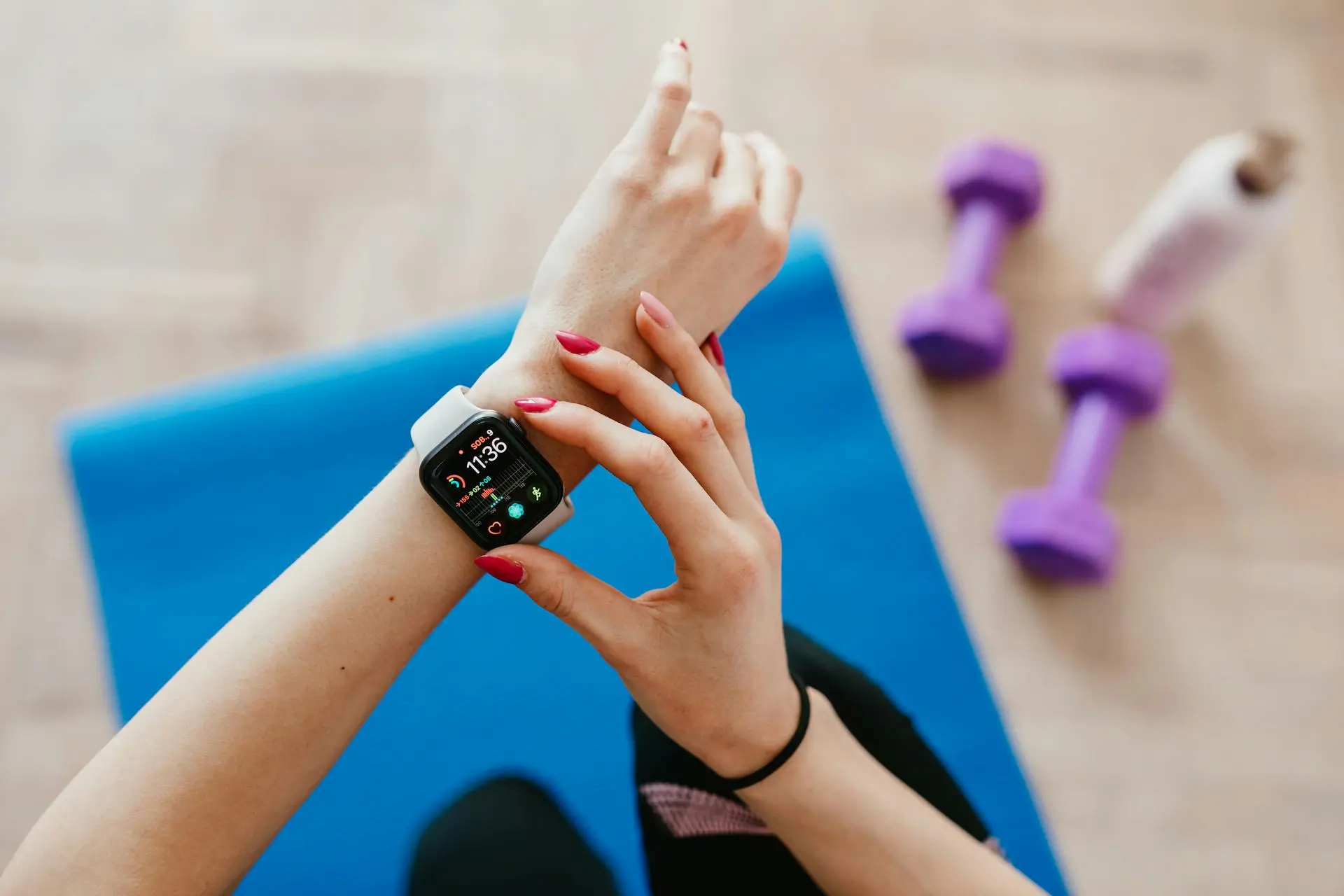
You’ve probably seen them everywhere—smartwatches, fitness bands, even rings that track your every move. Wearable fitness tech has exploded in the last few years, promising to help us get fitter, healthier, and more in tune with our bodies. But with so many options, it’s easy to wonder: do these gadgets actually work, or are they just fancy accessories?
Step Counters and Activity Trackers
Let’s start with the basics. Most wearables track steps, calories, and sometimes even your heart rate. These are great for giving you a clear picture of your daily activity. Studies show that just seeing your numbers can motivate you to move more. Even small changes, like taking the stairs or walking during lunch, start to add up when you’re tracking consistently.
Heart Rate and Sleep Tracking
Modern devices can monitor your heart rate all day and even while you sleep. This isn’t just for fitness fanatics—understanding your heart rate trends can help with stress, recovery, and overall health. Sleep tracking, while not perfect, can give insight into patterns you might not notice. If you’re waking up tired often, it’s a wake-up call (pun intended!) to adjust bedtime habits.
GPS and Workout Tracking
For runners, cyclists, and outdoor enthusiasts, GPS tracking is a game-changer. Wearables can map your routes, measure pace, and track improvements over time. Seeing progress in real numbers—like faster times or longer distances—can be super motivating. But remember, it’s about consistency, not obsessing over every mile.
What Doesn’t Work So Well
Not all features are created equal. Some devices promise things like “stress level monitoring” or “hydration alerts,” but these can be hit or miss. Don’t rely on a gadget alone to tell you if you’re stressed or dehydrated—listen to your body first. Wearables are tools, not crystal balls.
Making Wearables Work for You
The key is using these devices wisely. Track what matters to you—steps, sleep, workouts—and use that data to make small, sustainable changes. Pairing a tracker with realistic goals, accountability, and a bit of self-discipline is where the magic happens. The tech is just a nudge in the right direction; the work still comes from you.
Bottom Line
Wearable fitness tech can be incredibly useful if you know how to use it. Step counters, heart rate monitors, GPS tracking—they all provide real value. But don’t get lost in the bells and whistles. Focus on the basics, track progress, and let your wearable be a helpful guide, not a stress-inducing scoreboard.




Leave a Reply