




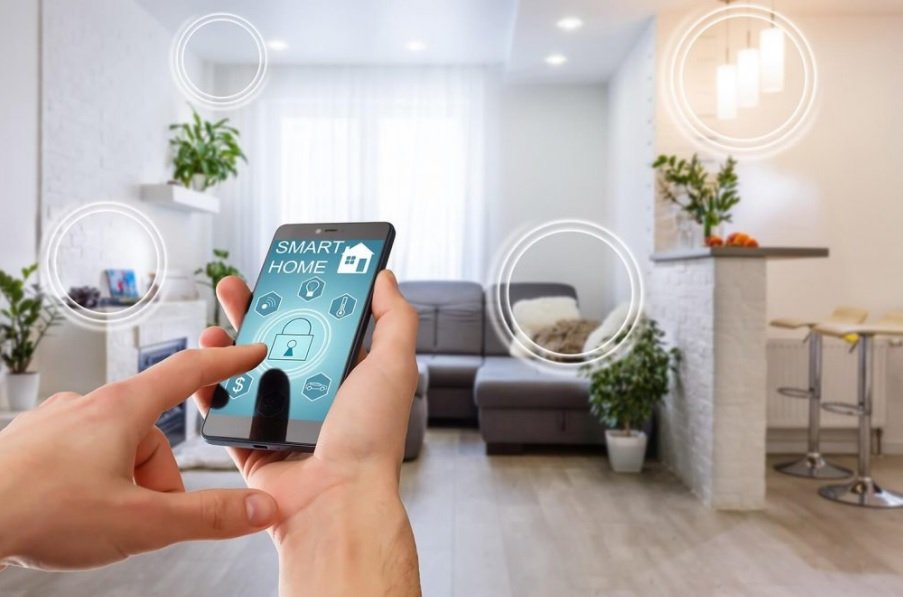
Smart homes have come a long way. Not too long ago, controlling your lights or thermostat with your voice seemed like futuristic sci-fi. Now, voice assistants are everywhere, from smartphones to smart speakers, helping us do simple tasks hands-free. But the future of smart homes is pushing far beyond just saying “turn on the lights.” Imagine a home that anticipates your needs, adapts to your habits, and keeps you safe without constant commands. It’s no longer about just talking to your devices—it’s about them understanding you in ways that feel almost intuitive.
Smarter Sensors, Smarter Living
The next wave of smart homes is all about sensors that see and feel more than ever. Motion detectors, temperature sensors, and even air quality monitors are evolving to work together seamlessly. These devices won’t just react—they’ll predict. For example, your heating might adjust automatically before you even notice a chill, or your fridge could remind you to restock essentials before you run out. It’s a level of convenience that makes life smoother, while also being energy-efficient. Smart homes are learning to think ahead, saving both time and energy without requiring extra effort from us.
AI That Really Knows You
Artificial intelligence is moving from reactive to proactive. Instead of waiting for you to ask, future AI could learn your routines and anticipate your needs. Lights could dim when it’s movie time, music could start when you enter the kitchen, or your home could even suggest the best time for a workout based on your schedule. This goes beyond personalization—it’s like having a home that understands your lifestyle and adapts naturally. The focus is on making technology feel invisible, working quietly in the background so your life feels effortless and comfortable.
Integration With Everyday Life
The smart home of tomorrow won’t just be about gadgets—it will be about integration. Appliances, entertainment systems, security cameras, and even your car could talk to each other. Imagine arriving home from work, and your home has already brewed your coffee, adjusted the lighting, and started your favorite playlist—all before you step through the door. The idea is seamless living: technology that enhances daily life instead of interrupting it. This level of integration is becoming more achievable as devices communicate on a single platform, making the smart home truly connected.
Focus on Health and Safety
Health and safety are becoming central to smart home innovation. Future homes may monitor air quality, detect allergens, or even track your sleep patterns. Emergency features could alert family members or first responders automatically if something goes wrong. Technology is shifting from convenience to well-being, ensuring that smart homes don’t just make life easier—they make life safer. With these advances, our living spaces become active participants in maintaining our health, not just passive tools we control with a voice command.
The Bottom Line
The future of smart homes is bright, dynamic, and surprisingly personal. We’re moving beyond simple voice commands to homes that anticipate, adapt, and integrate seamlessly into our lives. Whether it’s predictive AI, advanced sensors, or health-focused technology, smart homes are becoming more than just connected—they’re becoming intuitive. The key isn’t flashy gadgets; it’s making life easier, safer, and more enjoyable. As technology continues to evolve, our homes might just feel a little more human too.





Leave a Reply